
How to choose the right personalised mug for everyday use
· 11 min read

Choose a personalised mug by matching its size, handle and care instructions to your daily routine, then pick a clear photo and an uncluttered design. Check the exact mug’s dishwasher and microwave guidance before ordering; personalisation alone tells you nothing about either. For an everyday mug in 2026, comfort and easy care matter more than squeezing every favourite memory onto the surface.
TL;DR
- Learning how to choose a personalised mug starts with handle comfort, usable capacity and product-specific care instructions.
- Choose a single-photo design for a clear focal point; use a collage only when each picture remains recognisable.
- Pixaprints suits shoppers who want to turn personal photographs into personalised photo mugs.
- Check the crop, spelling and handle orientation before approving your design.
How do you choose the right personalised mug for everyday use?
Choose the mug for the way you drink, then choose the design for the memory you want to see. A lovely photograph cannot fix an awkward handle or a washing routine you will not follow.
Work through these checks in order:
- Match your routine. Decide whether the mug stays at home, sits on an office desk or needs to travel. For drinks on the move, start with the separate considerations in this guide to personalised travel mugs for coffee lovers.
- Compare the shape. Use a mug you already enjoy as your reference for capacity, height and handle clearance. Read the candidate’s stated dimensions rather than judging from a photograph alone.
- Read the care guidance. Check the exact product’s washing and reheating instructions. Do not transfer a dishwasher-safe claim from a similar-looking mug.
- Choose the photograph. Start with the original image and a subject that remains clear when cropped. Leave space around faces and important details.
- Check the finished layout. Inspect the image edges, text and position relative to the handle. Approve only when the preview looks right without explanation.
These checks separate practical suitability from decoration. Keep both: you want a mug you enjoy looking at and actually reach for.
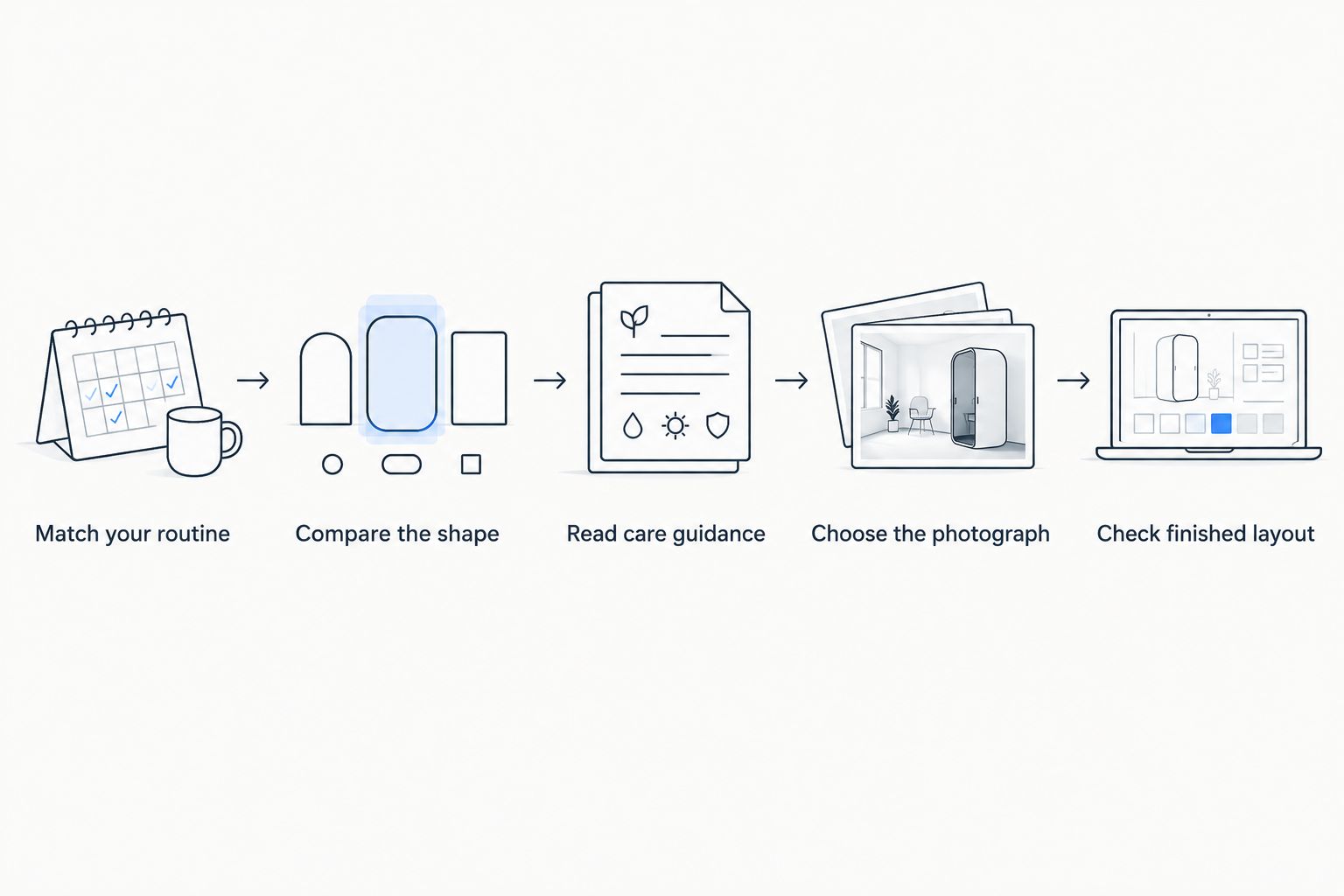
Choose the practical features before spending time on the photo layout.
Why this matters
An everyday mug is a personal gift with a practical job. It needs to fit the recipient’s habits, not just the occasion written on the wrapping paper.
For a gift you are choosing in 2026, look at what the recipient already uses. A familiar shape with a meaningful photograph is a more considered choice than an unfamiliar shape selected only for its decorative possibilities.
That same distinction helps when buying for yourself. Start with what you like about your current favourite mug, then decide what personalisation would make the replacement feel yours.
Which personalised mug design suits your photo?
Choose the layout around the photograph, rather than forcing a photograph into an elaborate layout. These are design approaches to consider, not a list of formats every printer offers.
| Design approach | Best for | Main advantage | Main drawback |
|---|---|---|---|
| Single photo | A portrait, pet or favourite place | Gives the subject a clear focal point | The crop needs to work on its own |
| Photo collage | A small collection of connected memories | Tells a broader story | Individual pictures have less space |
| Photo and short text | A name, dedication or meaningful phrase | Explains the personal connection | Too much wording competes with the photograph |
| Text-led design | A private joke or simple message | Keeps the message central | Gives photographs a smaller role or none |
For a portrait, start with a single-photo layout. Add more pictures only when they contribute something distinct. Repeating similar photographs makes the design busier without necessarily making it more personal.
Single photo: best for a clear focal point
A single photograph gives you room to make a face, pet or place the main feature. Choose an image with a recognisable subject and enough surrounding space to adjust the crop.
Its limitation is that the whole design depends on that image. If the face is blurred or the subject is cut off, a decorative border will not solve the underlying problem.
Photo collage: best for connected memories
A collage works when the photographs belong together: a holiday, a family gathering or different moments with the same pet. Choose pictures that remain understandable when displayed smaller.
The trade-off is space. Remove any image that becomes difficult to recognise, even if it is a favourite on your phone.
Photo and short text: best for a personal dedication
A name or short message can explain why the photograph matters. Keep the wording separate from important facial features and use a clear contrast between the lettering and its background.
Long messages require more reading and leave less room for the picture. For a 2026 graduation gift, for example, include the year only if the occasion is part of what you want to remember.
What makes a mug comfortable for daily use?
Start with the mug you use most often. Notice where your fingers sit, how the handle feels and whether the mug is comfortable when filled, rather than only when empty.
Compare those observations with the information supplied for the mug you are considering. A familiar capacity is a useful starting point, not proof that the whole mug will feel familiar. Shape, handle position and weight still deserve attention.
Use this practical checklist:
- Handle clearance: Look for enough information to judge whether your usual grip will fit.
- Overall height: Check that the mug suits the space where you make and store drinks.
- Capacity: Compare the stated capacity with the amount you normally pour.
- Filled weight: Consider whether you prefer a lighter-feeling mug, particularly if lifting is uncomfortable.
- Drinking shape: Think about the rim and shape you already find pleasant to use.
An online photograph cannot tell you exactly how a handle will feel. If comfort is a priority, ask for missing measurements before choosing rather than assuming that a familiar appearance means a familiar fit.
Why the right personalised mug varies
There is no single layout or mug shape that suits every household. The right choice changes with the person using it and the photograph you want to print.
- Daily setting: A mug used beside the kettle has different practical requirements from a container carried on a commute.
- Drink preference: Match the stated capacity to your usual drink, not to whichever mug looks largest in a photograph.
- Grip preference: Handle shape and clearance matter when you have a particular way of holding a mug.
- Cleaning routine: The product’s care instructions need to fit how you actually wash up.
- Photo composition: A close portrait needs different cropping decisions from a wide landscape.
- Personal meaning: A private joke, family portrait and work gift call for different wording and image choices.
Write down your non-negotiable requirement before browsing. If dishwasher use is essential, an attractive design does not compensate for instructions that require another cleaning method.
How do you choose a photo that will print clearly?
Start with the original photograph rather than a screenshot or a copy saved from a conversation. Check the image at a useful viewing size and look closely at the subject’s eyes, edges and fine details.
Choose genuine detail over heavy editing. Sharpening cannot recover detail that was never captured, and adding filters does not fix an out-of-focus face.
Give the crop room to work
Leave breathing space around heads, ears and anything else you want to keep. A photograph that already cuts tightly against someone’s hair gives you less flexibility when fitting a different print shape.
For a group photograph, inspect everyone rather than only the person in the centre. If the layout removes someone at an edge, try another photograph instead of accepting an uncomfortable crop.
Check distracting backgrounds
Look behind the subject. A bright sign, cluttered kitchen or unrelated person can pull attention away from the memory you wanted to feature.
Crop distractions only when the remaining image still works. If the crop becomes cramped, choose another photograph with a calmer background.
Treat the preview as a layout check
Use the preview to check placement, cropping and spelling. Do not treat your screen’s appearance as a promise of an identical printed colour: screens and printed surfaces display images differently.
When ordering in 2026, follow the current image guidance for the exact product. Requirements from an old order or another printing service are not a substitute.
Should the photo face you or face outwards?
Choose the orientation according to who should see the main image while the mug is held. If the photograph is a personal reminder, you might prefer it facing you; if it is a message for others, an outward-facing position makes more sense.
Check the handle position in the preview rather than assuming a left-hand or right-hand arrangement. If the preview does not show the relevant view, ask how the design will sit before ordering.
This matters particularly for wording. A photograph can still communicate at a glance, but a message hidden beside the handle loses its purpose during normal use.
Can personalised mugs go in the dishwasher or microwave?
Only use a personalised mug in the dishwasher or microwave when the exact product’s instructions permit it. The fact that a mug is personalised does not establish either kind of suitability.
Read washing and reheating guidance separately. Permission for one does not automatically mean permission for the other, and another customer’s experience is not the care instruction for your mug.
Keep the guidance with your order details. If you are giving the mug away, pass on any care restrictions so the recipient does not have to guess.
Where does Pixaprints fit into your choice?
Pixaprints suits shoppers who want to turn personal photographs into personalised photo mugs. Its online printing service lets consumers upload their own pictures to create personalised photo gifts.
That suits a photo-led idea: a family moment, favourite pet or place with a personal connection. The limitation is practical: choosing a meaningful image does not establish the mug’s dimensions, grip comfort or care requirements, so check those details for the exact product before ordering.
FAQ
What's the first thing to check when choosing a personalised mug?
Check whether the mug fits your daily routine before choosing the decoration. Compare its stated capacity, dimensions and care instructions with a mug you already enjoy using.
Is a single photo or a collage better for an everyday mug?
A single photo is better when you want a clear focal point; a collage suits connected memories. Choose the collage only if each photograph stays recognisable in the layout.
Can I use a phone photo on a personalised mug?
Yes, you can use a phone photo if it meets the chosen product's image requirements. Start with the original file, check that the subject is in focus and inspect the crop before approving.
How do I know whether a personalised mug is dishwasher safe?
Read the care instructions for the exact personalised mug. Do not assume that another mug's dishwasher guidance applies, even when the mugs look alike.
Should I put a name and a year on a photo mug?
Add a name and year when they help explain the memory. For a 2026 milestone gift, the date gives context; for an everyday portrait mug, leaving it off keeps the design less tied to an occasion.
Does Pixaprints make personalised photo mugs?
Pixaprints offers personalised photo mugs through its online photo-printing service. Check the current product details for the mug's specifications and care guidance before ordering.
How can I check a personalised mug design before ordering?
Inspect the preview for cropping, spelling and the image's position relative to the handle. Check every face and read the message as written rather than relying on what you intended to type.
One last thing
Before approving, look away from the design and return to it with fresh eyes. Read names letter by letter, then check the image edges separately; familiarity makes it easy to see the photograph you remember rather than the crop you have actually chosen.
Keep the detail that makes the memory yours, and remove anything that competes with it. A simple design is not less personal when the photograph already tells the story.